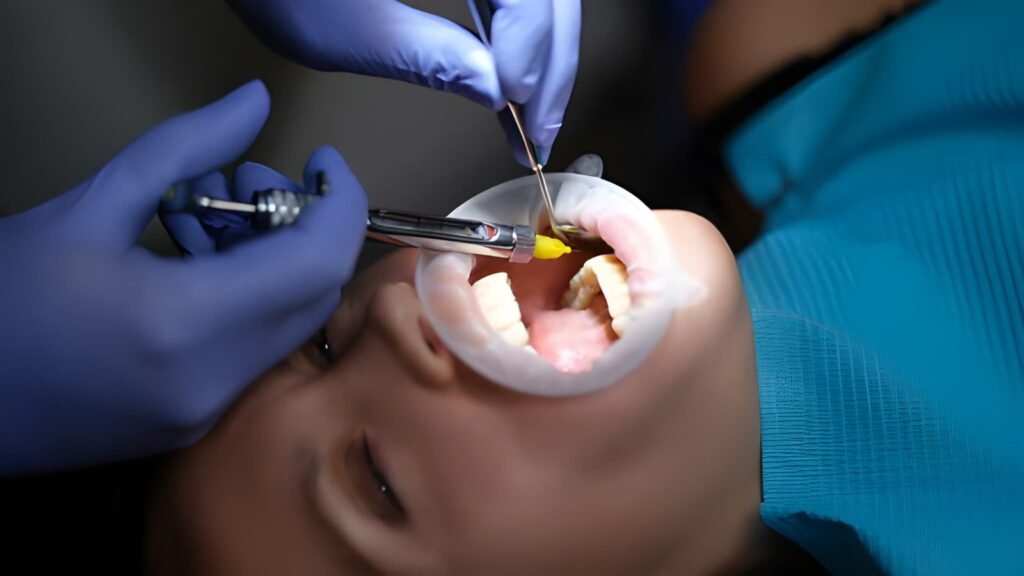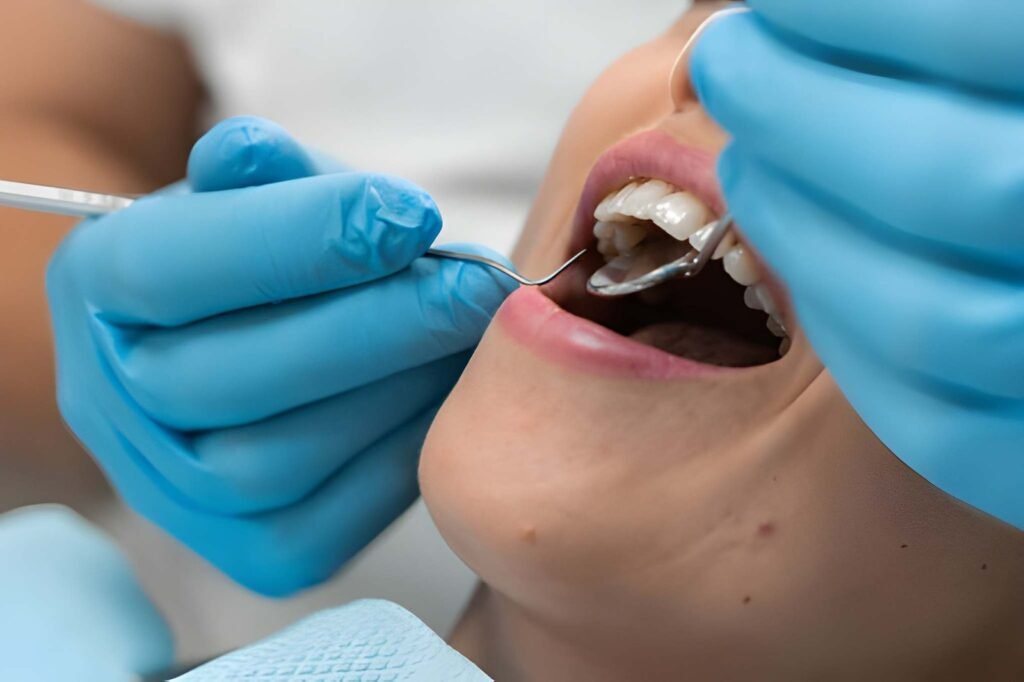
Dentists in Dumfries commonly treat tooth pain Dumfries patients experience, alongside gum disease Dumfries cases, infections, dental trauma, and jaw problems. Early assessment helps prevent complications and supports long-term oral health. Routine dental visits are key to identifying issues before they worsen.
Your mouth often shows early signs when something is not right. Ignoring dental symptoms can allow minor problems to become more serious. Understanding types of tooth problems can help you seek timely care and protect your oral health. Dumfries dental practices treat a wide range of everyday and urgent dental concerns.
What Are Common Dental Problems?
Common dental problems are conditions that affect teeth, gums, or the jaw. These represent some of the most frequent types of tooth problems seen in practice. In some cases, treatments such as composite bonding in Dumfries are used to repair chips, cracks, or cosmetic damage. Other issues range from mild discomfort to urgent infections requiring prompt treatment.
Private vs NHS Dentist in Dumfries: What to Know
Common Dental Warning Signs
Being aware of symptoms early can prevent the need for complex treatment. Watch out for:
- Persistent tooth pain Dumfries patients often describe as dull, sharp, or throbbing
- Red, swollen, or bleeding gums — a key indicator of gum disease Dumfries
- Ongoing bad breath or unpleasant taste — commonly associated with NHS tooth decay symptoms bad breath unpleasant taste
- Loose, chipped, or cracked teeth — a broken tooth Dumfries should always be assessed promptly
- Mouth sores lasting longer than two weeks
- Jaw pain or clicking
- Dry mouth or excessive saliva
Urgent Dental Symptoms
Some symptoms require immediate attention from an emergency dentist Dumfries. Seek urgent care if you experience:
- Severe or worsening tooth pain
- A broken tooth Dumfries that is knocked out or dislodged
- Uncontrolled oral bleeding
- Swelling affecting breathing or swallowing
In these situations, contact a Dumfries emergency dentist without delay.
What Makes a Good Local Dentist in Dumfries? Key Factors to Consider
What to Do If You Notice Dental Symptoms
- Stay calm and assess the severity
- Rinse gently with warm salt water
- Apply a cold compress to reduce swelling
- Use suitable pain relief if required
- Contact an emergency dentist Dumfries or your regular Dumfries dental practice promptly
How Dentists in Dumfries Support Long-Term Oral Health
Regular dental visits help prevent tooth pain Dumfries, gum disease Dumfries, and infection. Dentists provide professional cleaning, oral hygiene advice, and early diagnosis of dental conditions. Preventive care reduces the risk of complex treatments — including root canal Dumfries procedures — later down the line.
What Happens at a Dental Appointment?
- Review of medical and dental history
- Examination of teeth, gums, and mouth
- X-rays if clinically required
- Discussion of findings and treatment options
NHS and Private Dental Care in Dumfries
Dumfries offers both NHS and private dental services. NHS care focuses on essential oral health treatment, while private care may offer additional options. NHS availability may be limited, so early registration with a Dumfries dental practice is recommended.
Emergency Dental Care in Dumfries
A Dumfries emergency dentist provides urgent pain relief and temporary treatment when needed. If you are not registered with a dentist, NHS 24 or local dental helplines can advise on accessing emergency care quickly.
When Is Root Canal Treatment Needed?
Root canal Dumfries treatment is often necessary when a tooth has deep decay, infection, or nerve damage. Rather than extracting the tooth, root canal therapy removes infected tissue, cleans the root, and seals it — allowing the natural tooth to be preserved. Many patients find that root canal Dumfries treatment is far more comfortable than expected, especially with modern techniques and local anaesthetic.
When Tooth Extractions Are Needed
A broken tooth Dumfries or severely decayed tooth may require extraction if it cannot be saved. Dentists always assess whether the tooth can be restored before recommending removal.
Simple extractions involve loosening and removing the tooth under local anaesthetic. Surgical extractions may be required for impacted or broken teeth and involve minor gum surgery.
Aftercare Following a Tooth Extraction
Following NHS tooth extraction aftercare avoid hot drinks straw guidance is essential for a smooth recovery:
- Avoid hard foods for several days
- Do not use straws — as advised in NHS tooth extraction aftercare avoid hot drinks straw guidelines
- Use gauze to control bleeding
- Apply ice packs for swelling
- Follow all oral hygiene instructions carefully
Similarly, if you have had root canal Dumfries treatment, following NHS root canal aftercare alcohol guidance is important — avoid alcohol during the initial healing period to support recovery and reduce complications.
Maintaining Good Oral Health
- Brush twice daily with fluoride toothpaste
- Clean between teeth using floss or interdental brushes
- Limit sugary foods and drinks
- Avoid tobacco and reduce alcohol intake
These habits help prevent gum disease Dumfries, tooth pain Dumfries, and other common types of tooth problems from developing.
Book Your Dental Appointment at Dumfries Dental Studio
If you’re experiencing dental discomfort or have concerns about your teeth or gums, Dumfries Dental Studio is here to help. Our experienced team provides clear assessments, gentle care, and tailored treatment plans. Whether you need an emergency dentist Dumfries, treatment for gum disease Dumfries, root canal Dumfries therapy, or cosmetic options such as composite bonding — contact Dumfries Dental Studio today to book your appointment and take a positive step towards a healthier smile.
FAQs
Does a tooth extraction hurt?
Local anaesthetic prevents pain during the procedure. Mild discomfort after is normal and manageable with over-the-counter pain relief.
How long does recovery take after extraction?
Initial healing takes a few days. Full recovery usually takes one to two weeks when following NHS tooth extraction aftercare avoid hot drinks straw advice carefully.
Can a broken tooth be saved?
Yes. Early treatment such as fillings, root canal Dumfries therapy, or bonding may save a broken tooth Dumfries before extraction becomes necessary.
When should I contact an emergency dentist?
If you have severe tooth pain Dumfries, swelling, uncontrolled bleeding, or dental trauma — contact a Dumfries emergency dentist immediately.
How often should I visit the dentist?
Most people should attend check-ups every six months unless advised otherwise by their Dumfries dental practice.nths unless advised otherwise.
Author
Reviewed by: Dental Content Team
Content aligned with UK dental care guidance
Last Updated
Last updated: 29 January 2026